Projects.
Seventeen projects from four years of mechanical engineering at Kathmandu University — fabricated prototypes, CFD and thermal studies, energy analyses and reusable design tools. Each one lists the engineering methods used, the measured results and the software behind them.
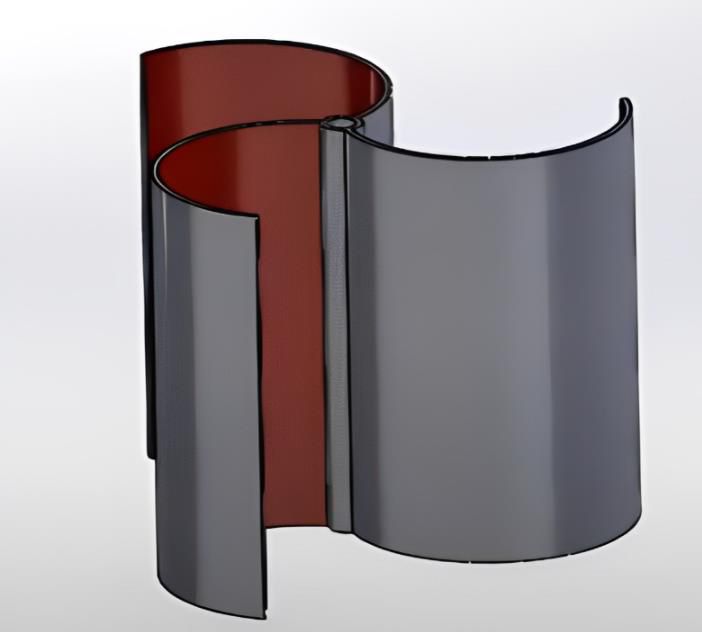 CAD MODEL
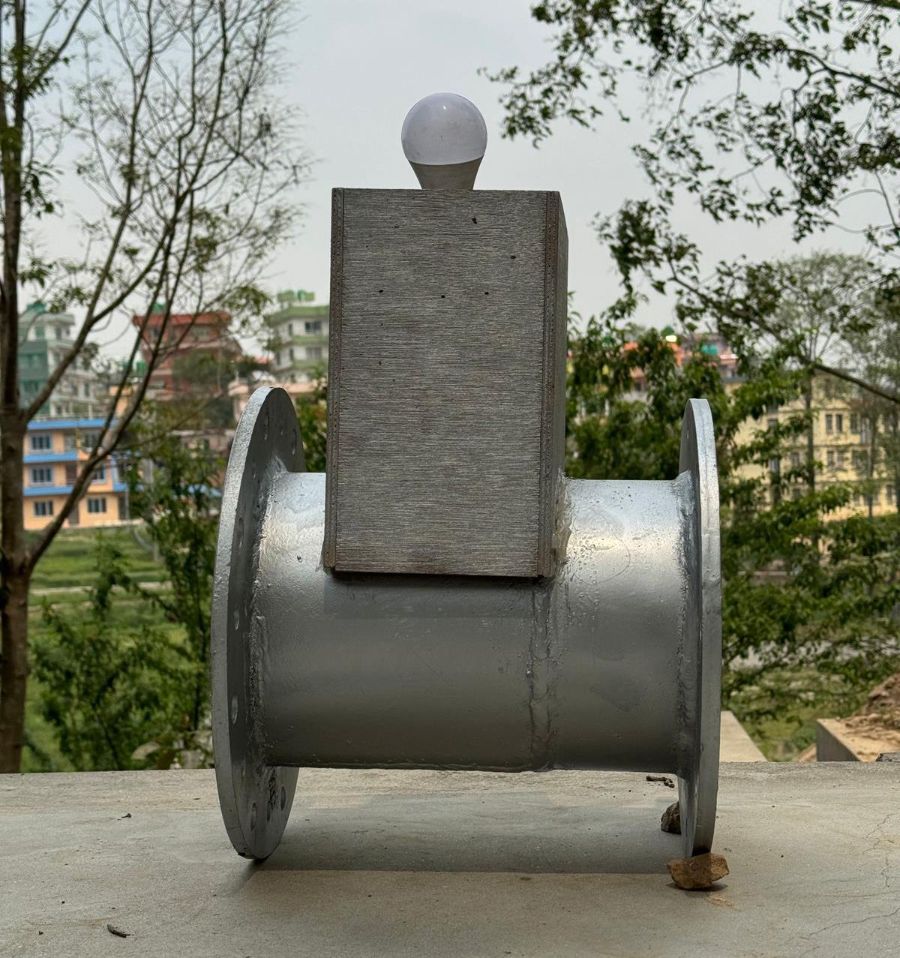 BUILT + TESTED
A turbine that generates electricity inside a 180 mm water pipeline, recovering energy from the flow itself. Every part was modeled in SolidWorks; we fabricated and welded the unit, then validated it outdoors at three flow rates — lighting a 4 W bulb from a 12 V DC generator.
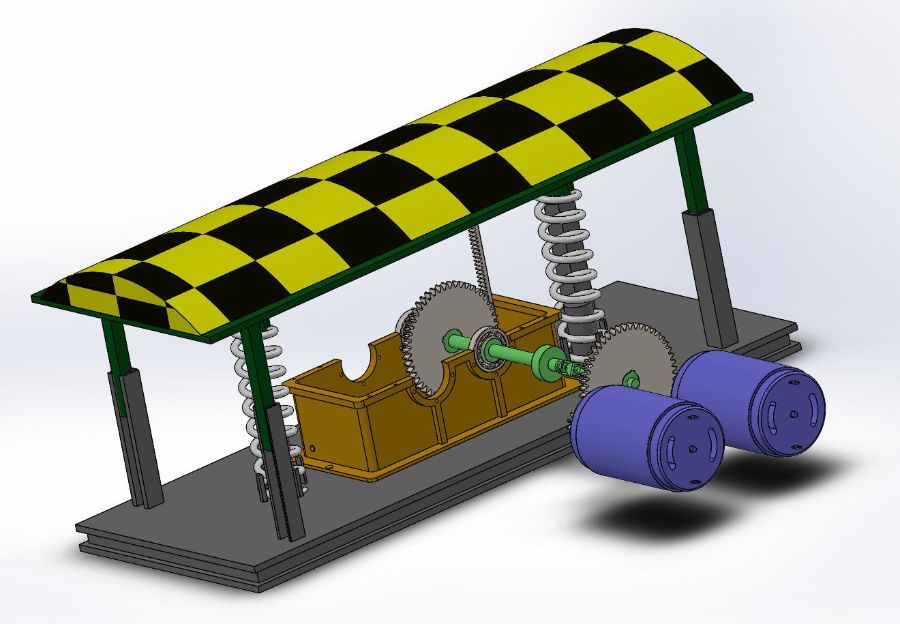 CAD MODEL
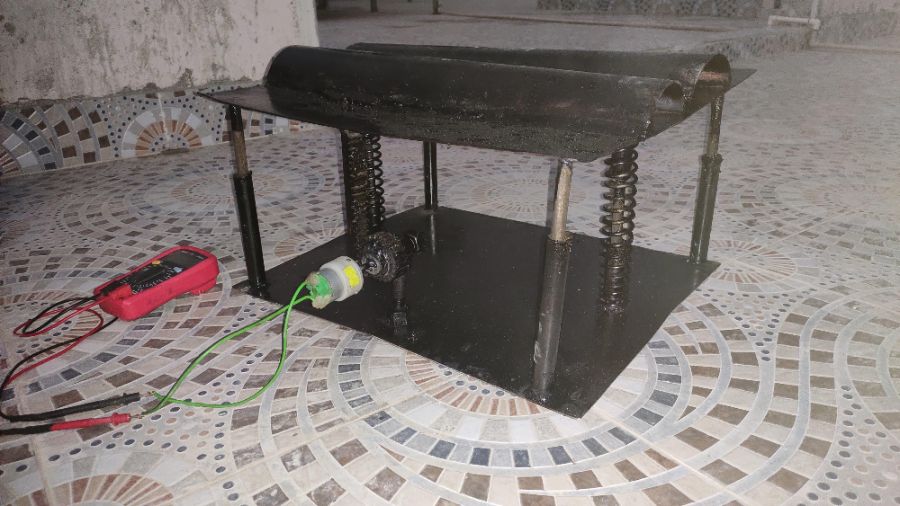 BUILT + TESTED
A speed breaker that recovers the push of passing vehicles instead of wasting it as heat. We compared drive mechanisms and selected rack and pinion with gear amplification, modeled the full mechanism in SolidWorks, then fabricated the prototype and quantified its output with a multimeter — each reading averaged over at least five runs, with a deviation analysis against theory.
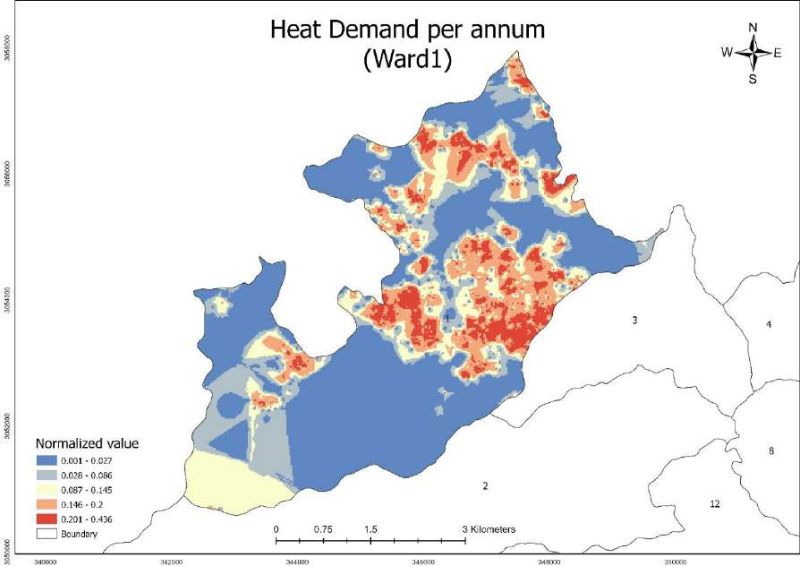
The first building-level heat atlas for a Nepali municipality. We surveyed 210 homes, calibrated a hybrid demand model — 70% survey energy data, 30% physics-based transmission losses with U-values and heating degree days — and extrapolated it to every building using OpenStreetMap footprints and SRTM elevation in GIS. Sensitivity analysis identified elevation and floor area as the dominant drivers.
 IN PROGRESS
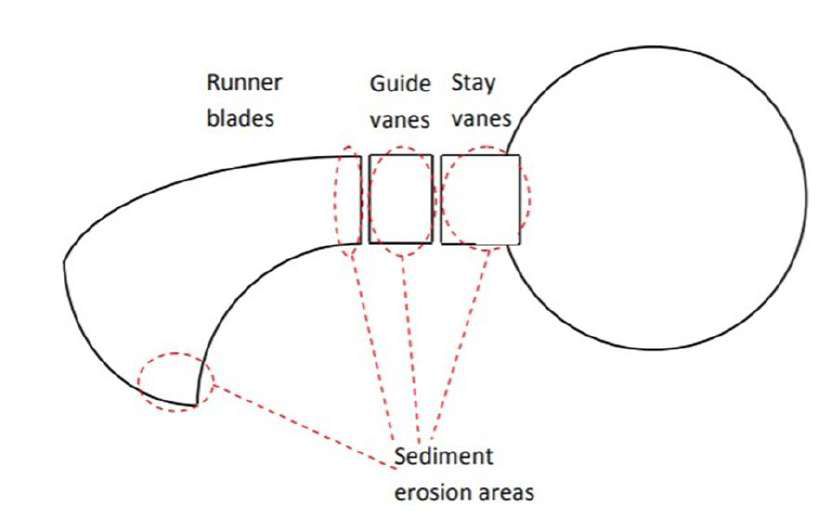
Multiphase CFD study of how sediment particles and cavitation act together on a Francis runner blade — combined wear is reported in literature at up to 16 times pure cavitation damage. Clear-water, erosion-only (DPM + Oka model), cavitation-only (Schnerr–Sauer) and combined cases are compared on an SS304 runner in ANSYS Fluent. Simulations are underway; results will grow this page.
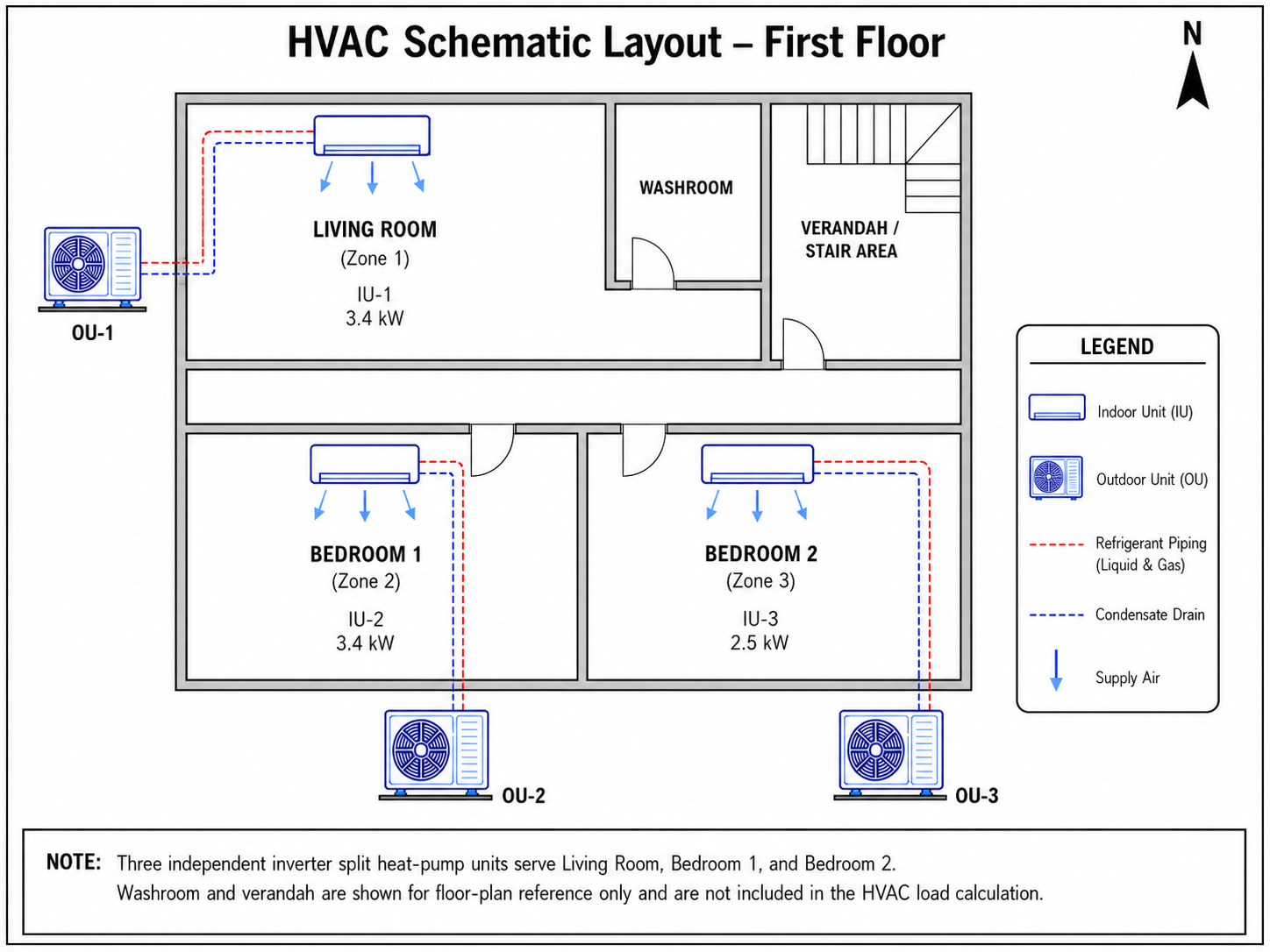
Room-by-room sensible and latent loads for a three-zone house in Tansen — transmission, solar gain, occupants, infiltration and fresh air — with inverter split units sized per room and seven improvement measures ranked by payback.
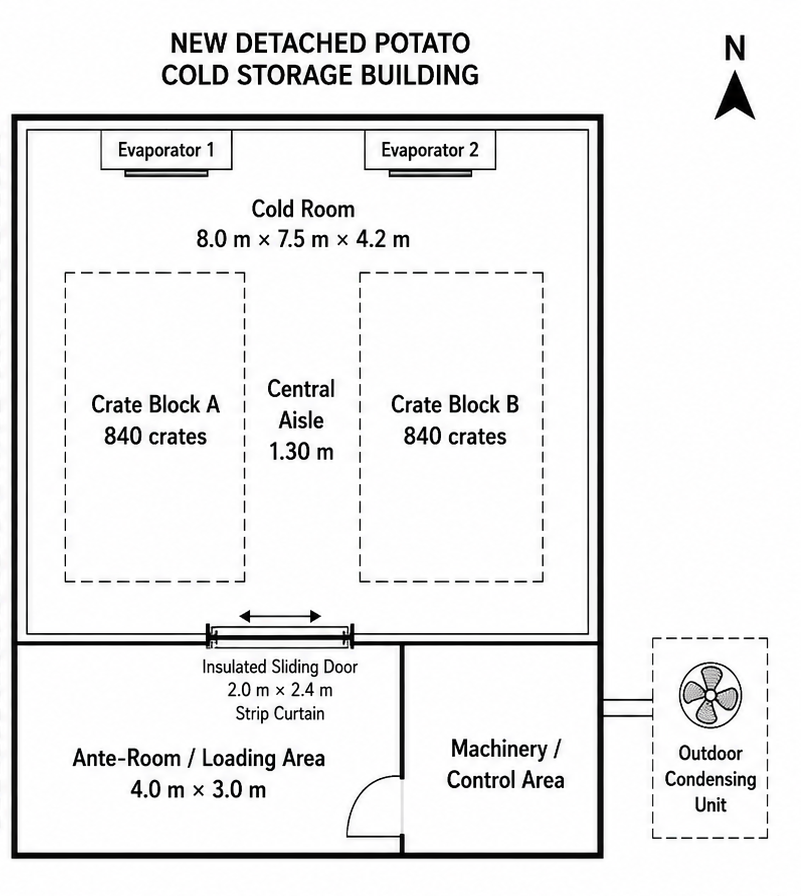
Design of a 50 tonne potato cold store: monthly refrigeration loads across the loading schedule, an R449A vapour-compression system with two ceiling evaporators, a 100 mm insulated envelope, and an energy and financial model.
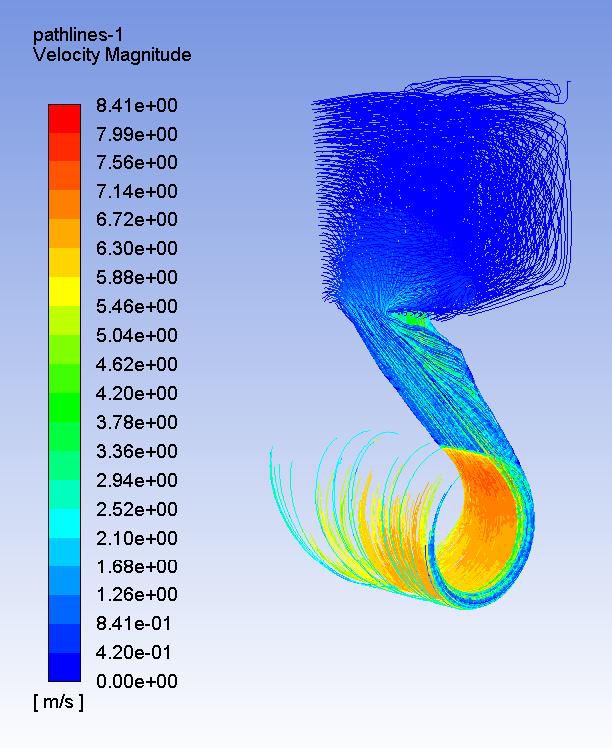
Single-unit simulation of sand removal from river water in ANSYS Fluent — RNG k-epsilon with the SIMPLE scheme and discrete phase tracking of 11,500 sand particles on a 337k-element tetrahedral mesh, with a mass-closure check within 1.02%.
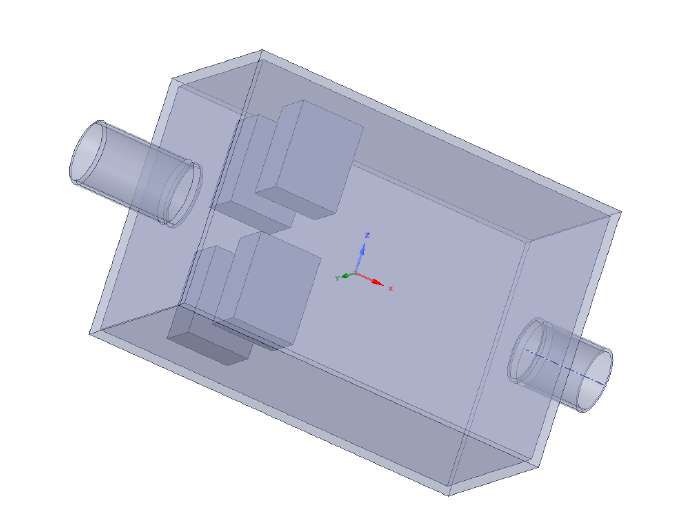
3D CFD of airflow through an air-cooled EV battery enclosure — SST k-omega with the energy equation and a 40 kW/m³ module heat source — verified with a medium-to-fine mesh independence check across 610k elements.
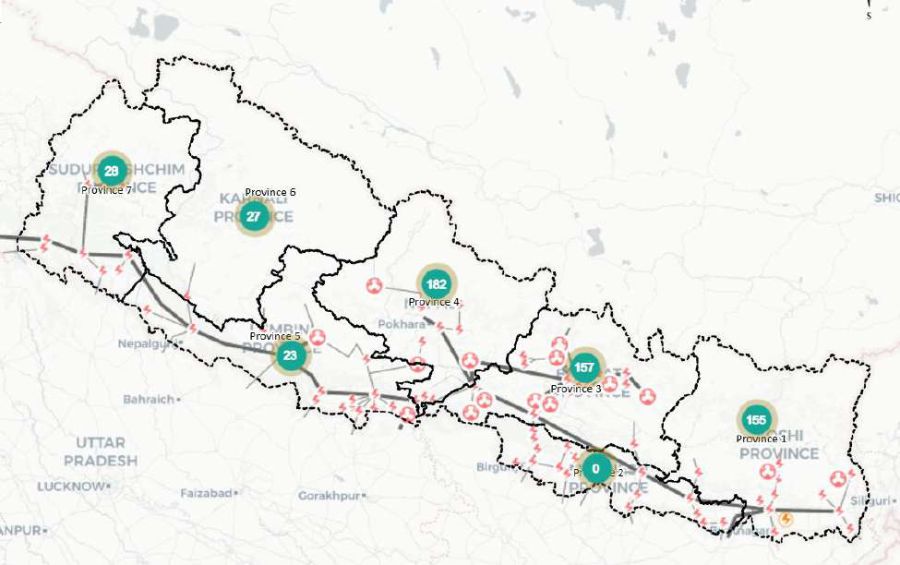
Analysis of Nepal's wet-to-dry season generation gap in a run-of-river dominated grid, built on NEA and WECS data. Reservoir storage, pumped storage, regional trade and demand management are assessed against practice in six other hydro-heavy countries.
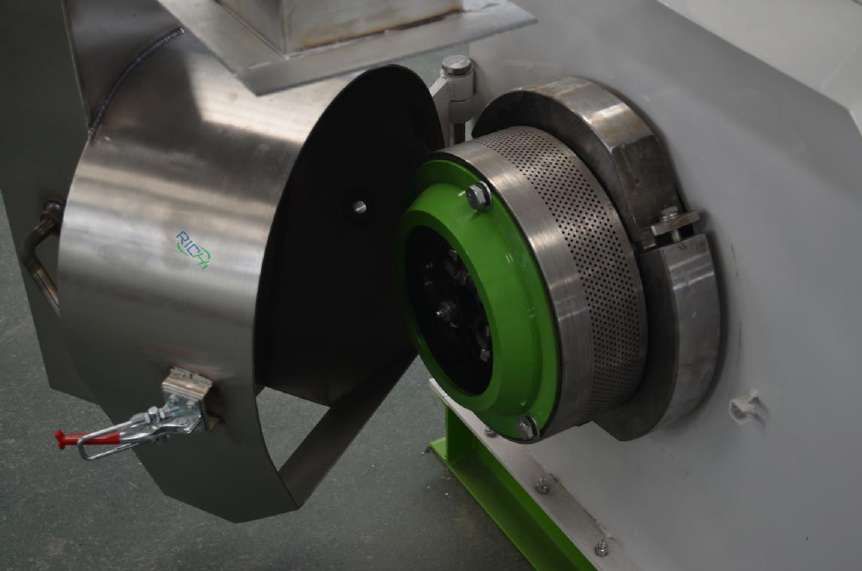
Reliability-centred maintenance plan for a single-line 2 tonne/day pellet plant: criticality ranking and FMEA from receiving to bagging, proof-testing for safety functions, wear-based die and hammer management, and condition monitoring via vibration, temperature and motor current.
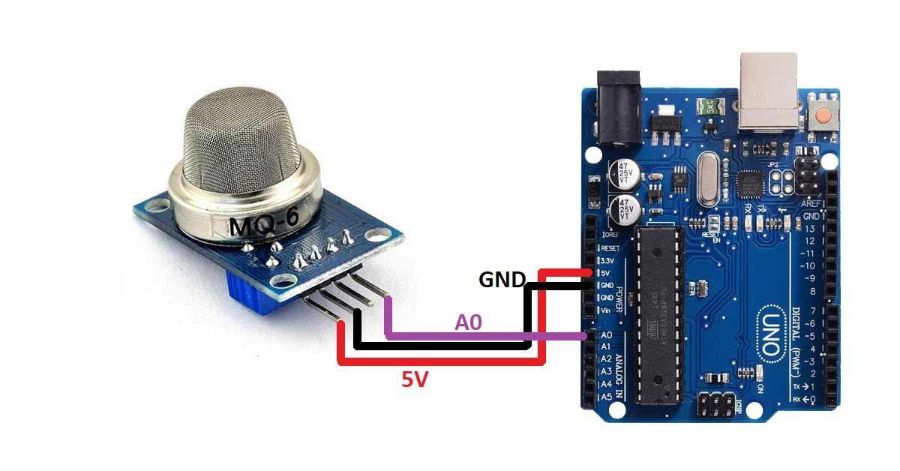
Gas-leak alarm built on an Arduino UNO. The MQ6 analog signal is sampled through the 10-bit ADC; an LED trips instantly above the threshold and a buzzer confirms leaks sustained past 10 seconds, rejecting false alarms. The system resets itself once the gas clears.
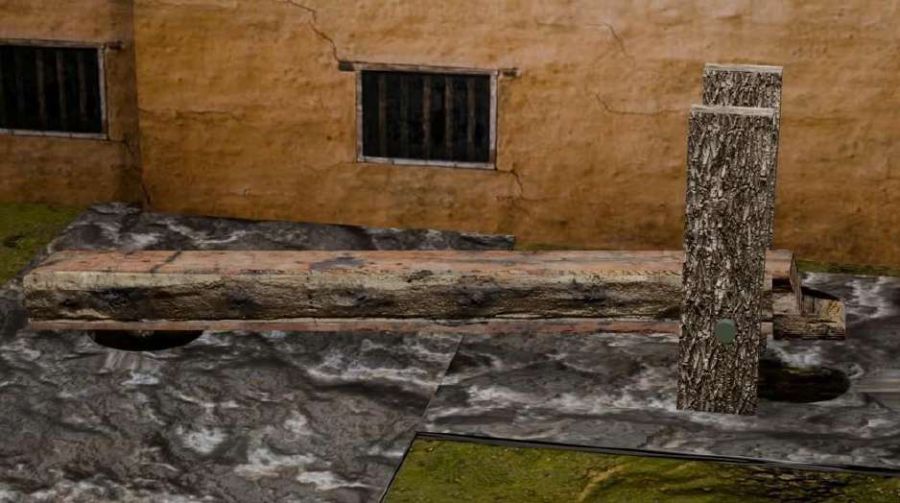 TRADITIONAL
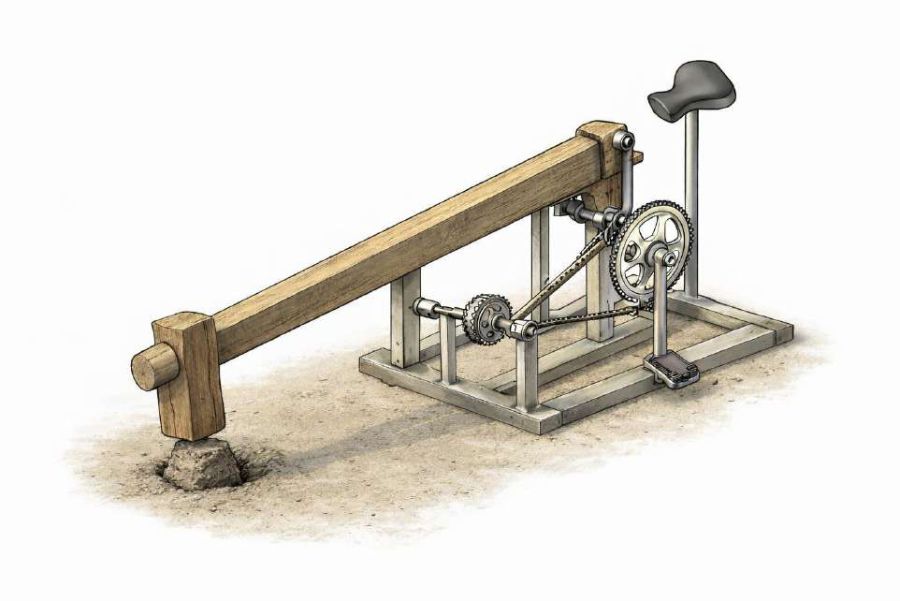 IMPROVED
Field study of the traditional dhiki in Tokha — geometry, lever ratios and operator effort measured on site — followed by a pedal-and-chain drive modification modeled in CAD that reduces the effort to operate it while keeping the tool itself unchanged.
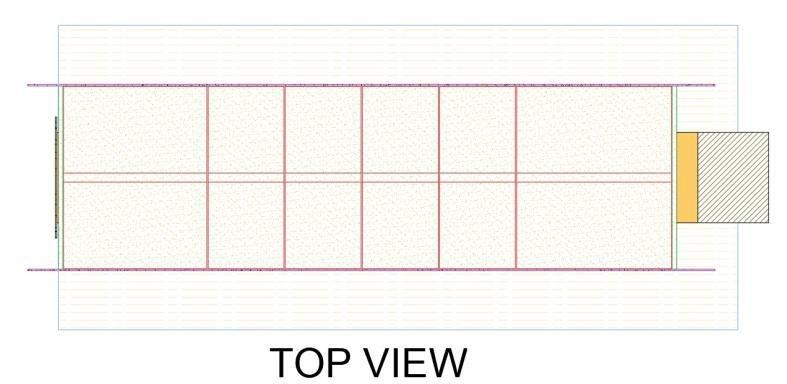 CAD DRAWING
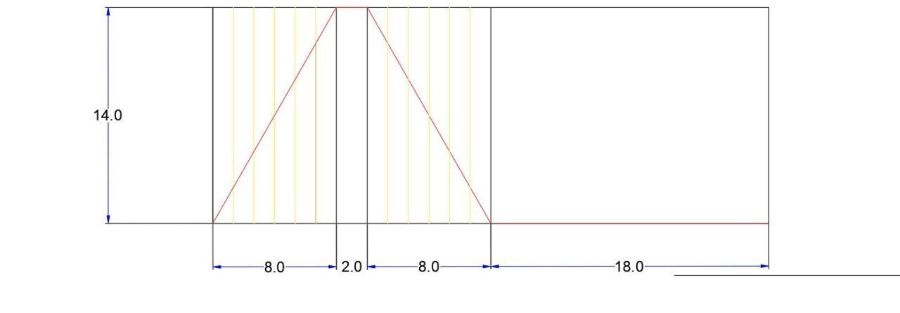 CAM PROFILE
Designed a radial plate cam with a flat-face follower from a specified displacement diagram, drafted the dimensioned profile in CAD, then fabricated a desktop prototype to verify the motion transfer.
One reusable workbook that sizes shafts, couplings, clutches, keys and gears from standard machine-design formulas — enter loads and materials, get dimensions — cutting routine sizing from hours to minutes.
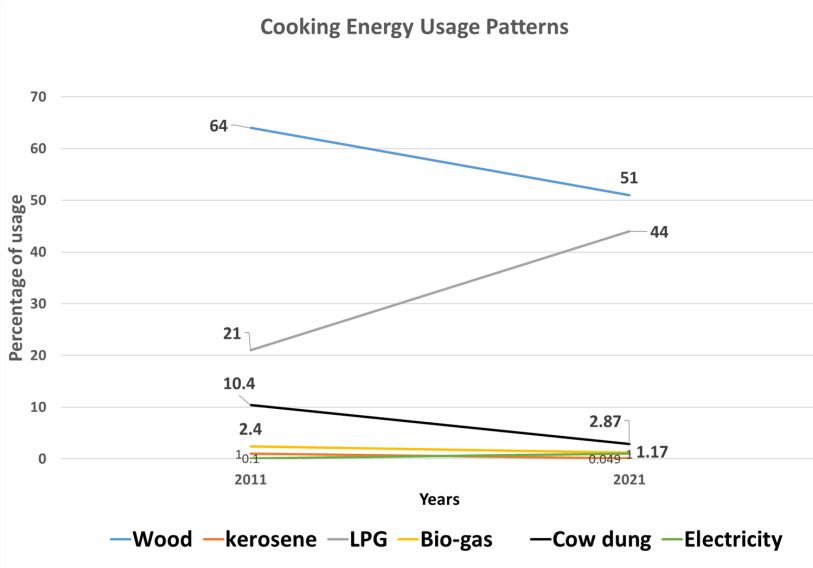
Case study of why electric cooking adoption stays below 0.53% despite Nepal's 96% urban electrification — appliance cost, home wiring and awareness barriers — and the measures that would let domestic hydropower displace imported LPG.
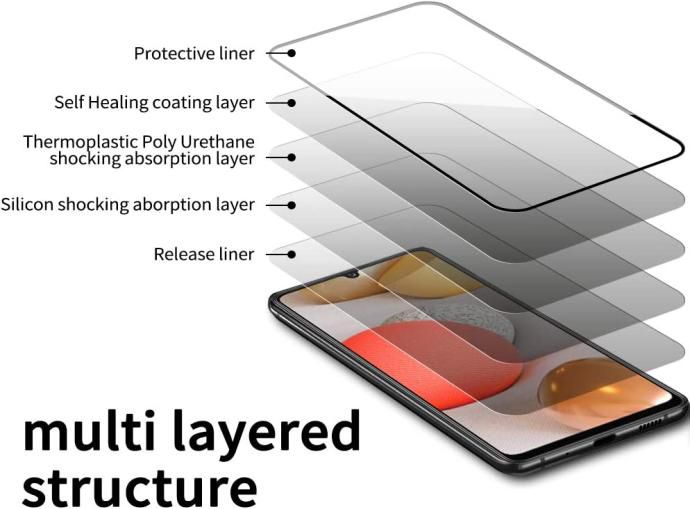
Materials case study of chemically strengthened smartphone glass — how tempering builds surface compression, the layer structure that results, and the failure modes that still crack screens.
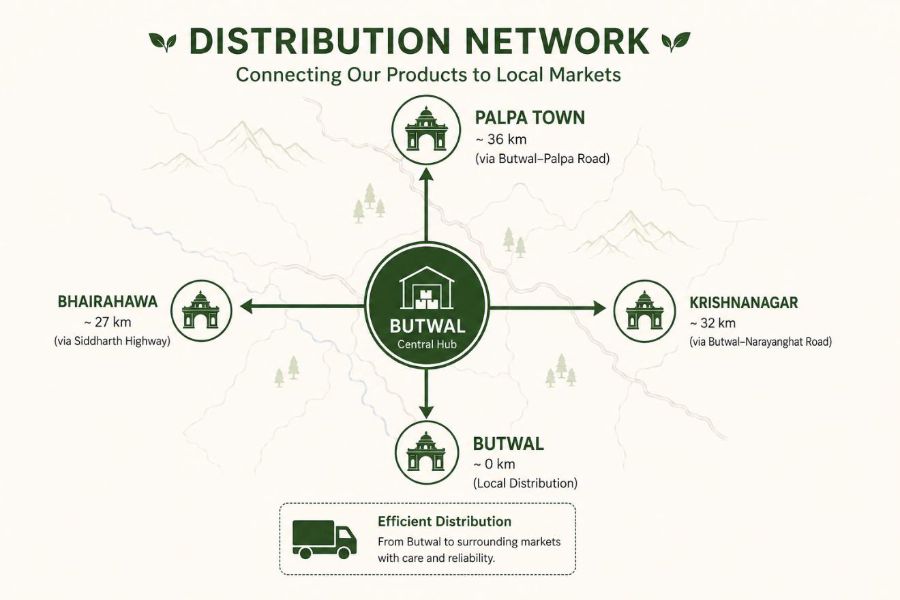
Business plan for an organic spice venture sourcing turmeric, ginger, timur and honey from Gulmi and Palpa — processing in Butwal, four-district distribution, and three-year financial projections with break-even analysis.