Anubhav
Khanal.
Mechanical engineer from Nepal, specialized in hydropower. I work across CFD simulation, thermal system design and renewable energy, taking projects from the first load calculation to a welded, tested prototype.

From first sketch to tested machine
I grew up in Tansen, Palpa and study mechanical engineering at Kathmandu University, specializing in hydropower. Across seventeen projects I have moved between the workshop and the solver: machining and welding prototypes that had to survive real water, and building the CFD and thermal models that explain why they work.
On the analysis side I have simulated cyclone separators and battery cooling in ANSYS Fluent, calculated room-by-room HVAC loads, designed a 50 tonne cold store, and mapped the heat demand of 20,715 buildings for a municipal heat atlas. Where a calculation will be repeated, I turn it into a reusable Excel design tool — three of my projects ship that way.
Right now I am finishing final-year research on combined sediment and cavitation erosion in Francis turbines, and preparing for graduate study in energy systems. I also enjoy web design, which is why this site exists. If you are working on energy, water or machines, I would like to hear from you.
My projects
06 OF 17 SHOWN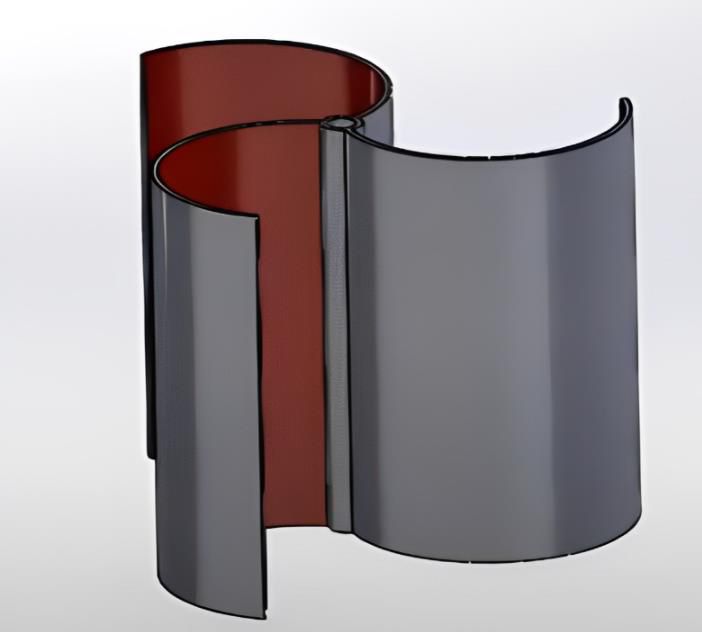 CAD MODEL
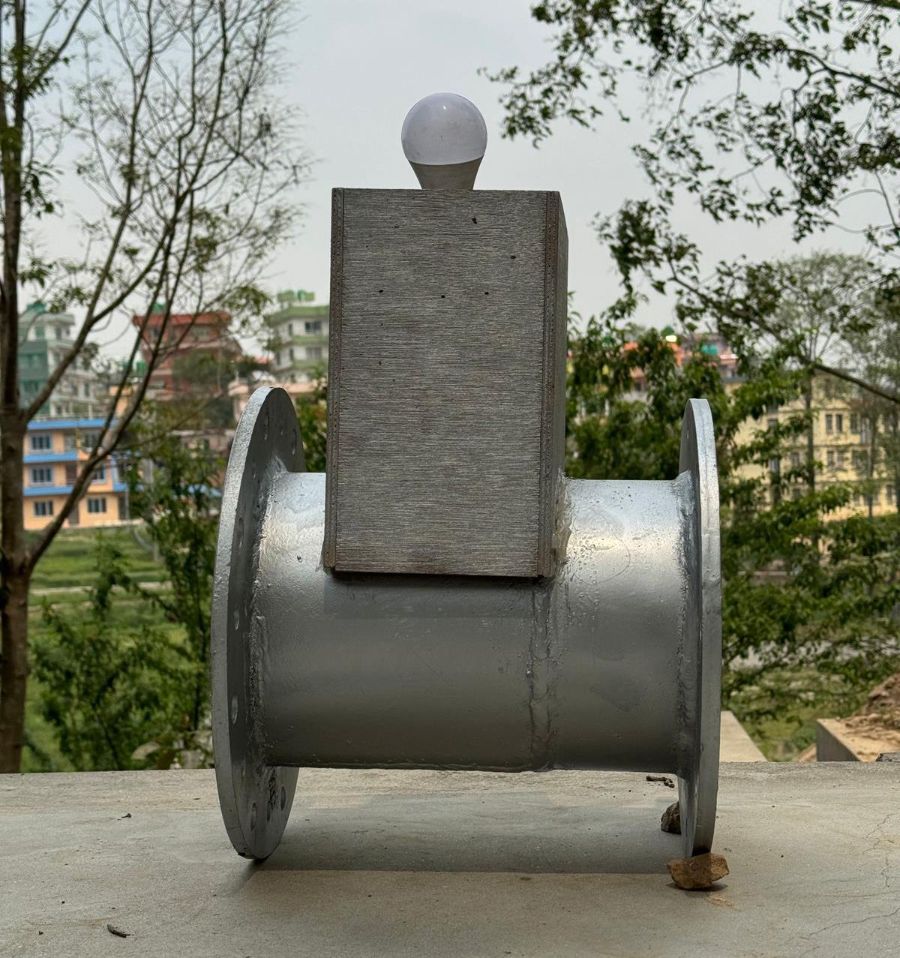 BUILT + TESTED
A turbine that generates electricity inside a 180 mm water pipeline, recovering energy from flow that is otherwise lost. I modeled every part in SolidWorks; we then fabricated and welded the unit and validated it outdoors at three flow rates, powering a 4 W bulb from a 12 V DC generator.
A speed breaker that recovers the push of passing vehicles instead of wasting it as heat. We compared drive mechanisms and selected rack and pinion with gear amplification, modeled the mechanism in SolidWorks, then fabricated the prototype and quantified its output with a multimeter, averaging at least five runs per reading.
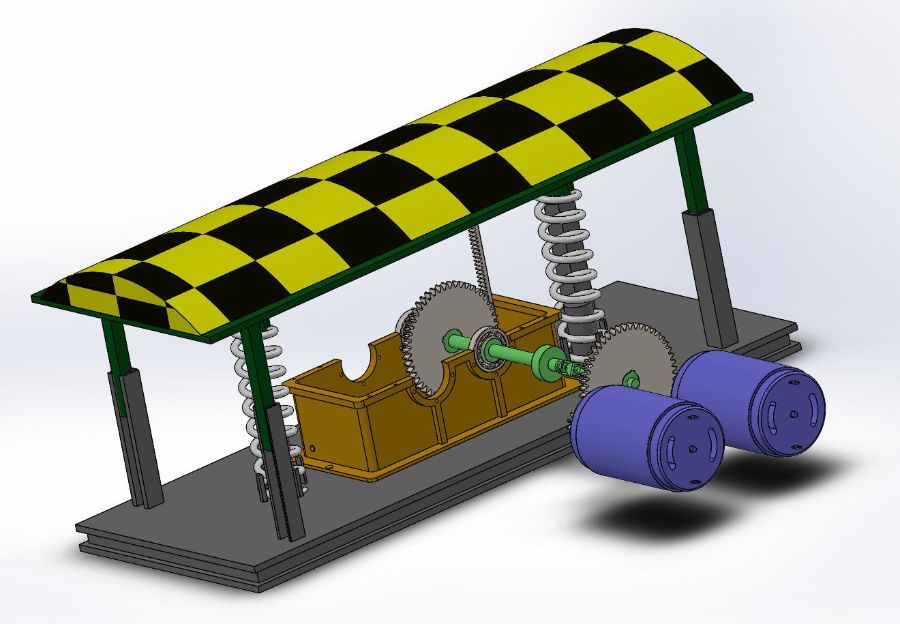 CAD MODEL
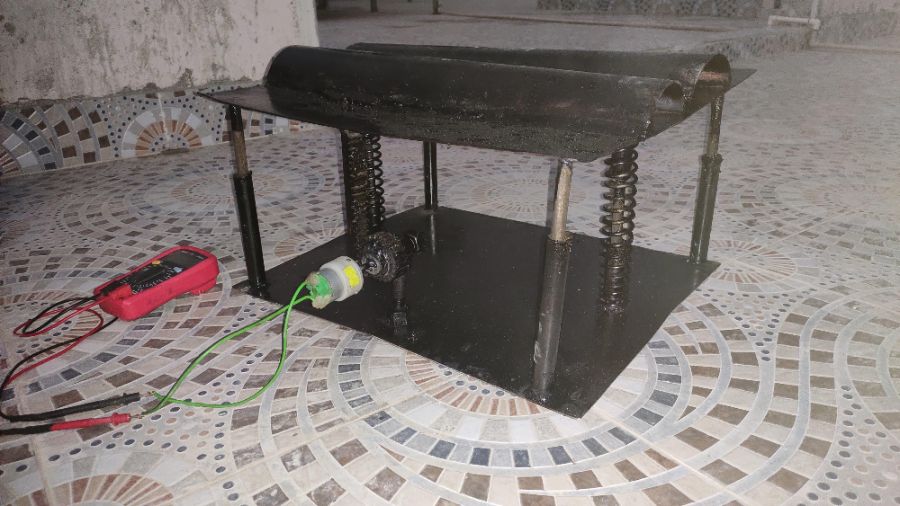 BUILT + TESTED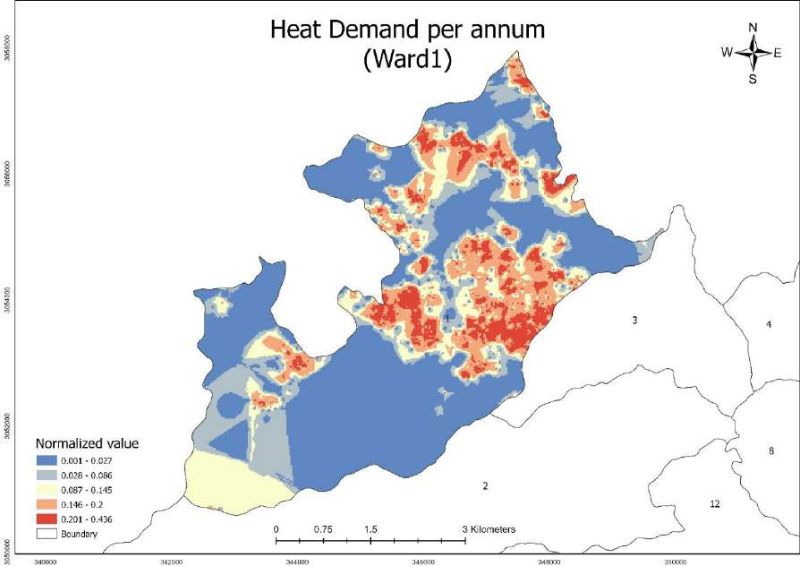
The first building-level heat atlas for a Nepali municipality. We surveyed 210 homes door to door, calibrated a hybrid demand model — 70% survey energy data, 30% physics-based transmission losses with U-values and heating degree days — then extrapolated it to every building in Panauti using OpenStreetMap footprints and SRTM elevation in GIS. Ward-by-ward maps now give planners a baseline for clean heating projects.
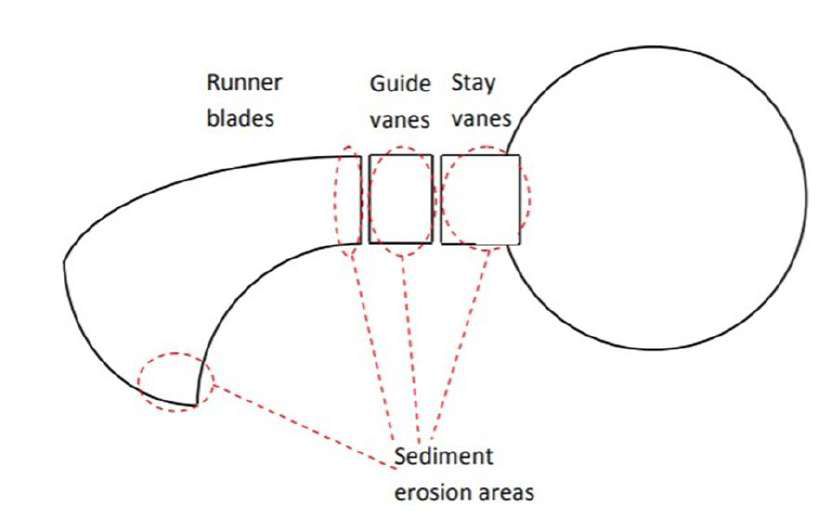
Sediment-laden Himalayan rivers wear down Francis runners, and cavitation makes the attack worse — combined wear reported in literature at up to 16 times pure cavitation damage. My final-year research builds a multiphase CFD model of both mechanisms acting together on a runner blade, comparing clear-water, erosion-only, cavitation-only and combined cases on an SS304 runner.
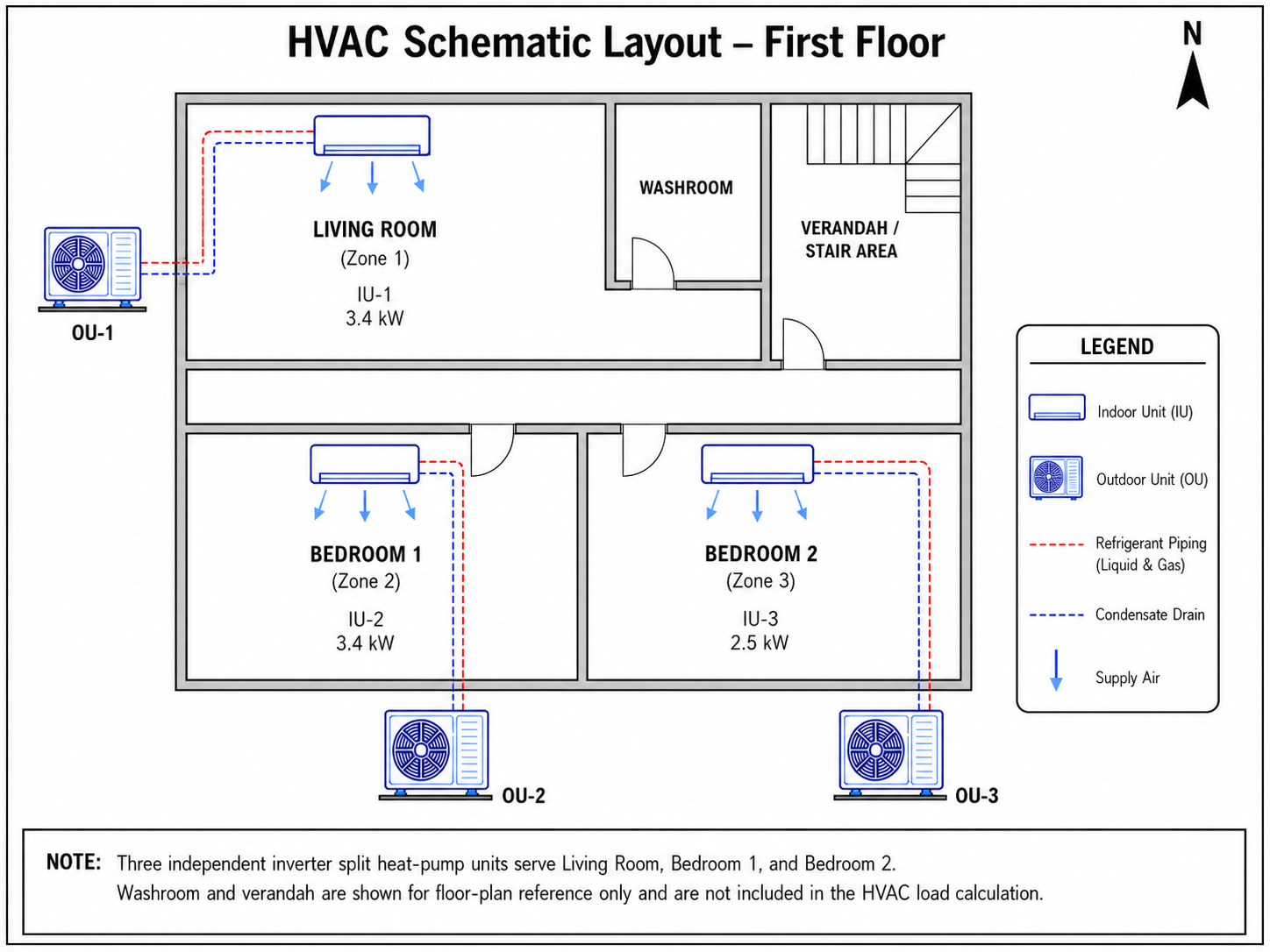
Room-by-room sensible and latent load analysis for a three-zone residence in Tansen, covering transmission, solar gain, occupants, lighting, appliances, infiltration and fresh air. Inverter split units of 3.4, 3.4 and 2.5 kW were sized against each room's peak, and seven energy improvement measures were ranked by payback. The whole calculation lives in a reusable Excel tool.
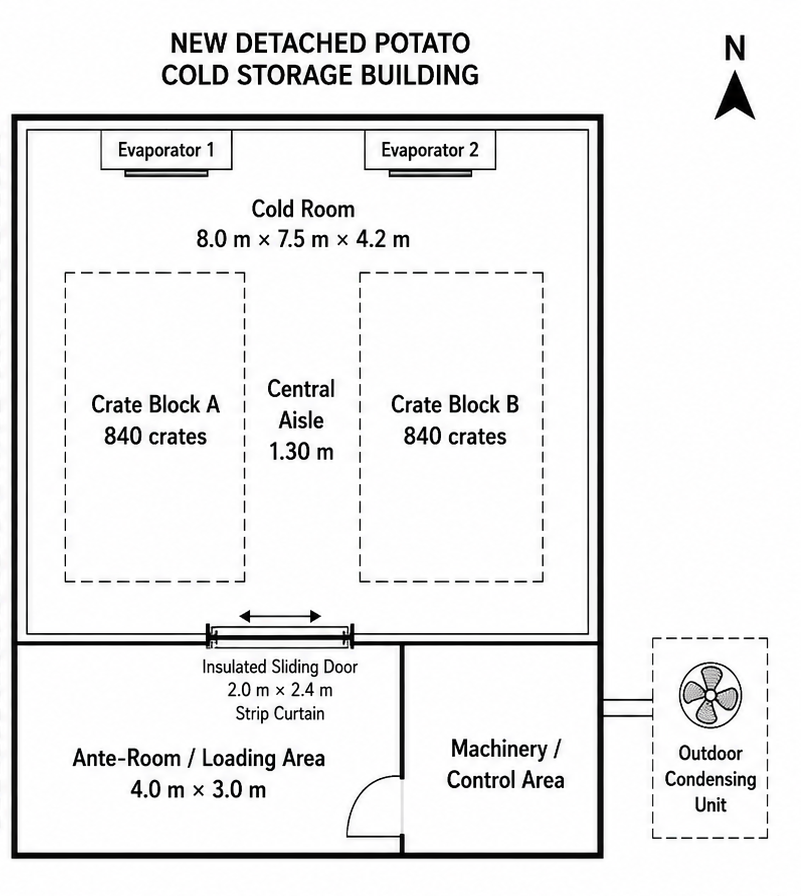
Complete design of a 50 tonne potato cold store for Tansen: monthly refrigeration loads across the loading, holding and unloading schedule, an R449A vapour-compression system with two ceiling evaporators, insulated envelope and floor build-up, and an energy and financial model. The sizing calculation is an Excel tool that can re-run for other products and capacities.
Publication
Sediment erosion and cavitation are usually studied separately, yet in Himalayan plants they attack the same runner blades at the same time. This work develops a multiphase CFD model that simulates both together, quantifying how cavitating flow changes the sediment erosion pattern and rate compared with either mechanism alone.
What I work with
Languages I speak
Where I have worked
- Assisted the mechanical team with routine inspection of turbines, valves and cooling systems in the powerhouse.
- Kept daily operation logs and helped prepare maintenance checklists.
- Studied intake, desander and penstock operation during the monsoon sediment season.
Education
Certifications
Let's build something.
I am open to junior mechanical engineering roles, internships, research collaboration and graduate study opportunities, in Nepal or abroad.
anubhavkhanal59@gmail.com